Side-questing: improv comedy at the Fringe
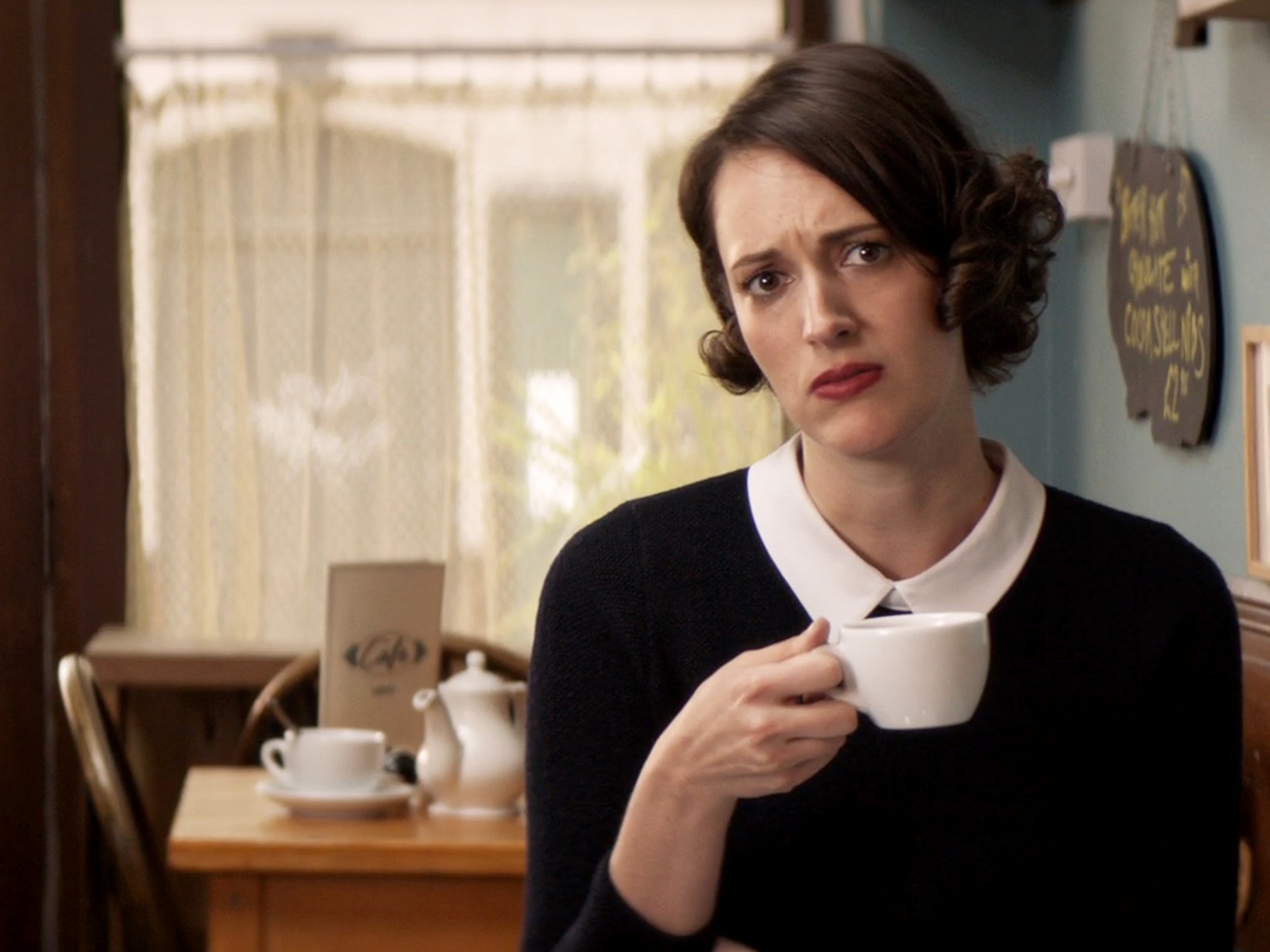
Every August, Edinburgh becomes the host of the world’s largest performing arts festival, the Edinburgh Festival Fringe. First established in 1947, the Fringe is now the face of theatre and comedy internationally, and has helped launch the careers of many talented artists. For example, the show Fleabag, written by Phoebe Waller-Bridge, was performed at the Fringe before being adapted for television.
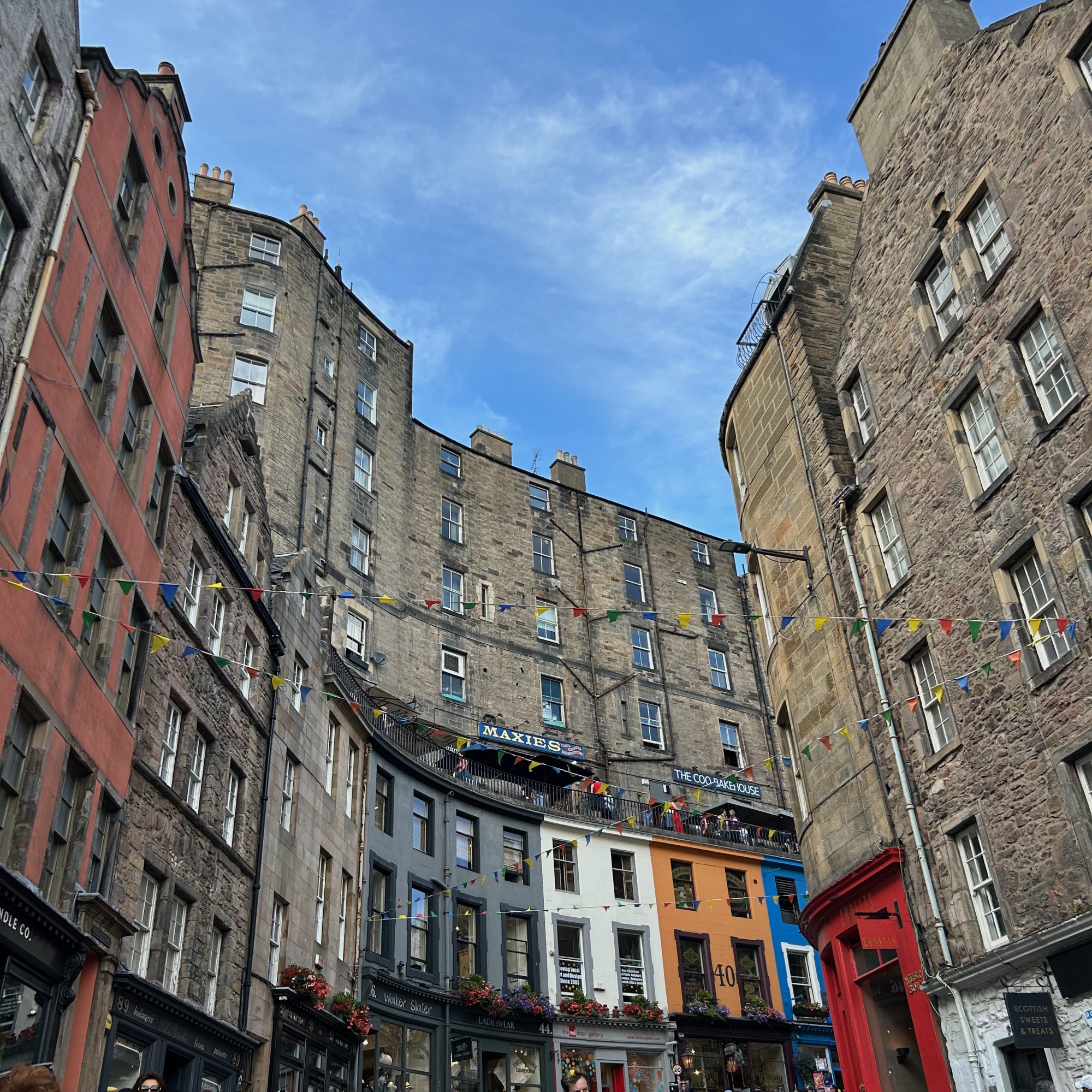
With 4,000 performances to choose from, visitors to Edinburgh and locals can watch a show every hour from 10 in the morning to 1am if they want to. Edinburgh’s Old Town is stunning, with many of its impressive buildings briefly teleporting you back hundreds of years. It is a very walkable city, if you don’t mind catching your breath from time to time! Thanks to the city’s old defensive walls, many of Edinburgh’s streets are uphill, and in some areas, if you look down, you will discover that the street you’re on is actually on top of another street! The bars, plazas and cafes are bustling with people, painting the city centre in lively colours.
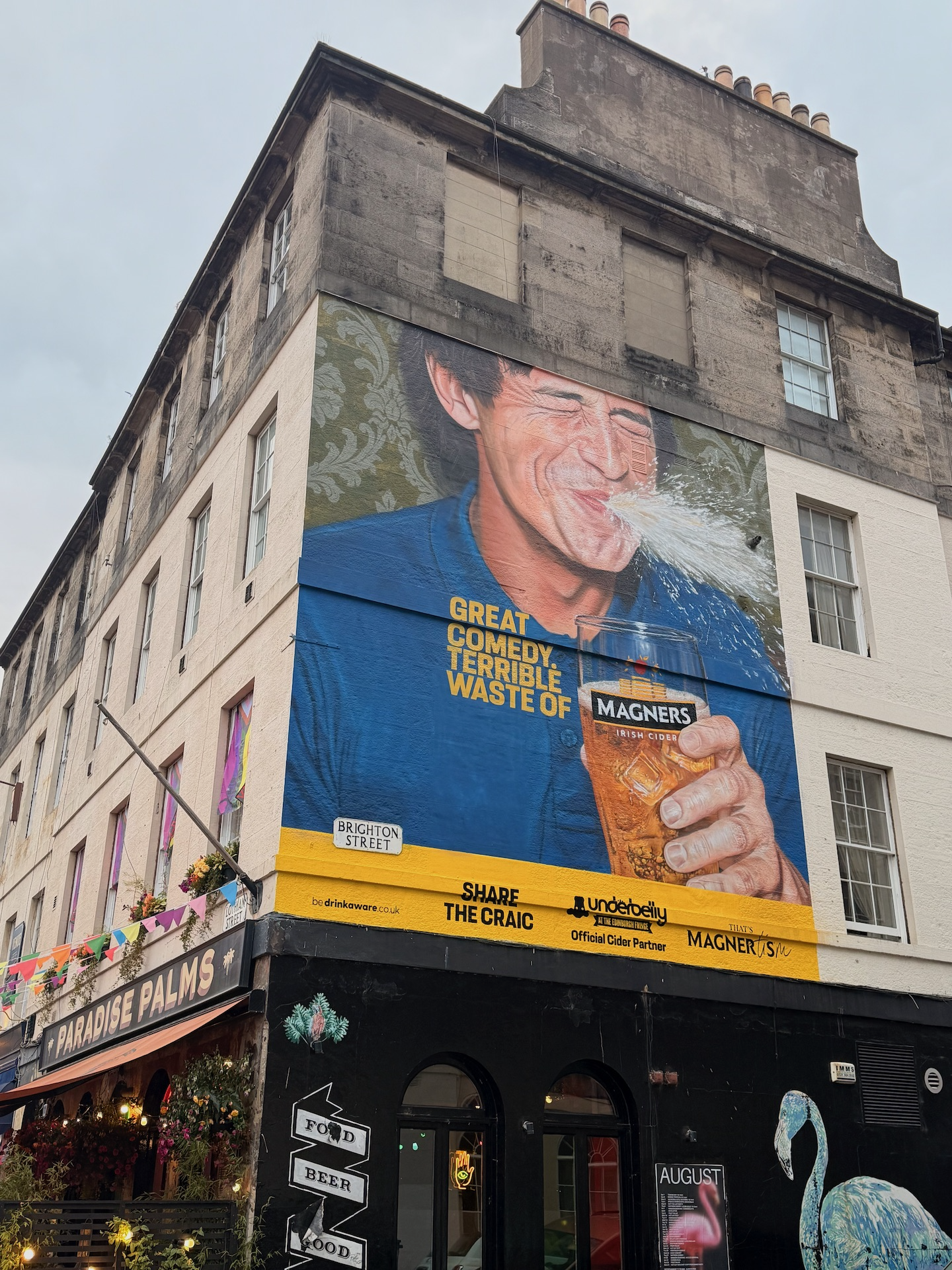
One thing I like in particular about the way the festival is organised is that it allows you to be spontaneous. You can be having a beer in one of the squares at 6.50, and then be watching a completely improvised musical show by 7.05. Yes, better-known shows, such as Garry Starr’s Classic Penguins, require a little bit more planning as they tend to be sold out, but the good news is there are so many shows, plenty of them free, that you will surely find something to watch. In fact, I would say this is part of the charm - that you can take a chance with some genres of shows, go watch performances you wouldn’t have normally chosen out of a line-up, and forget for a second about reviews, endorsements or Netflix specials.
So what was I doing in Edinburgh?
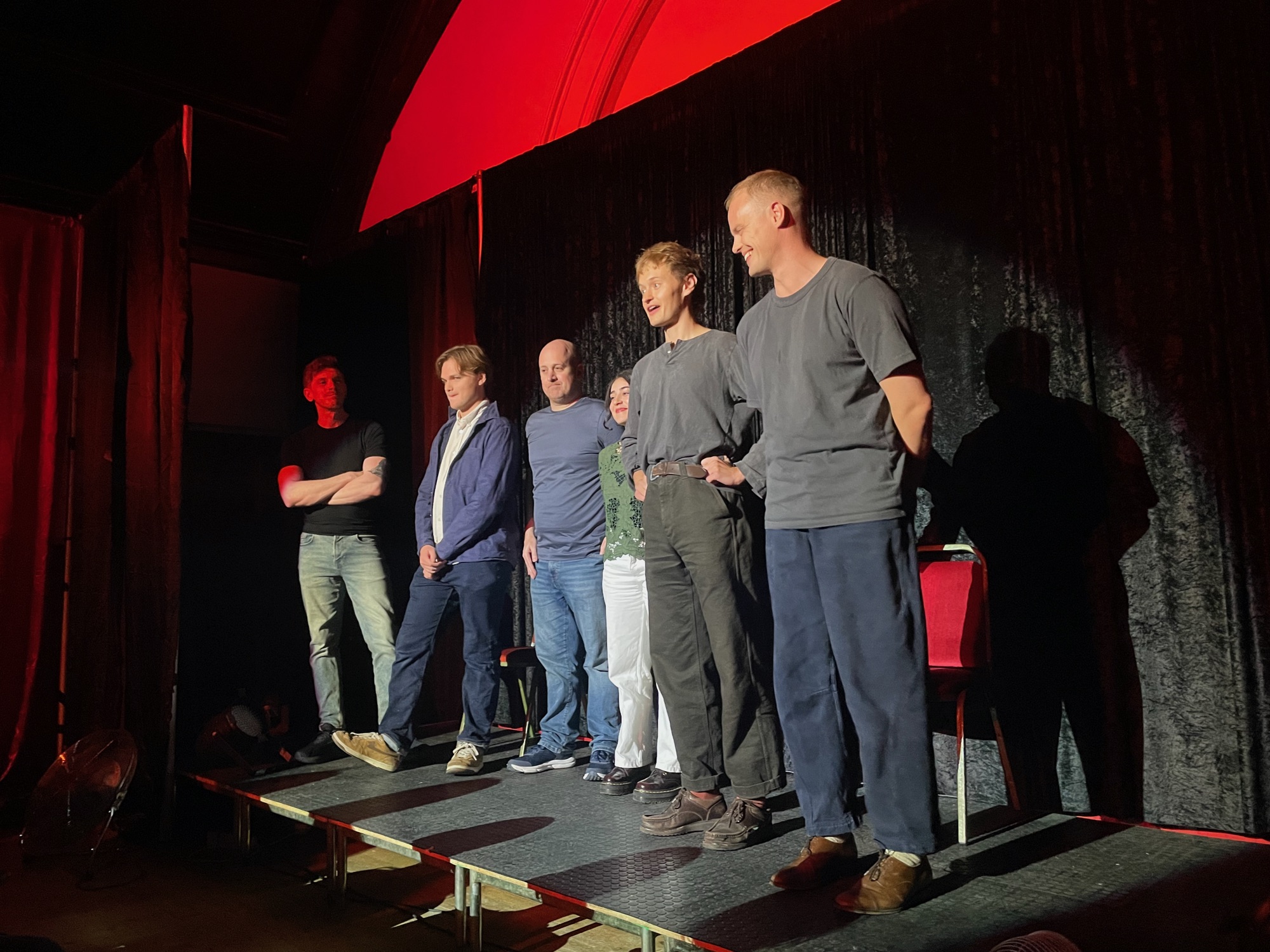
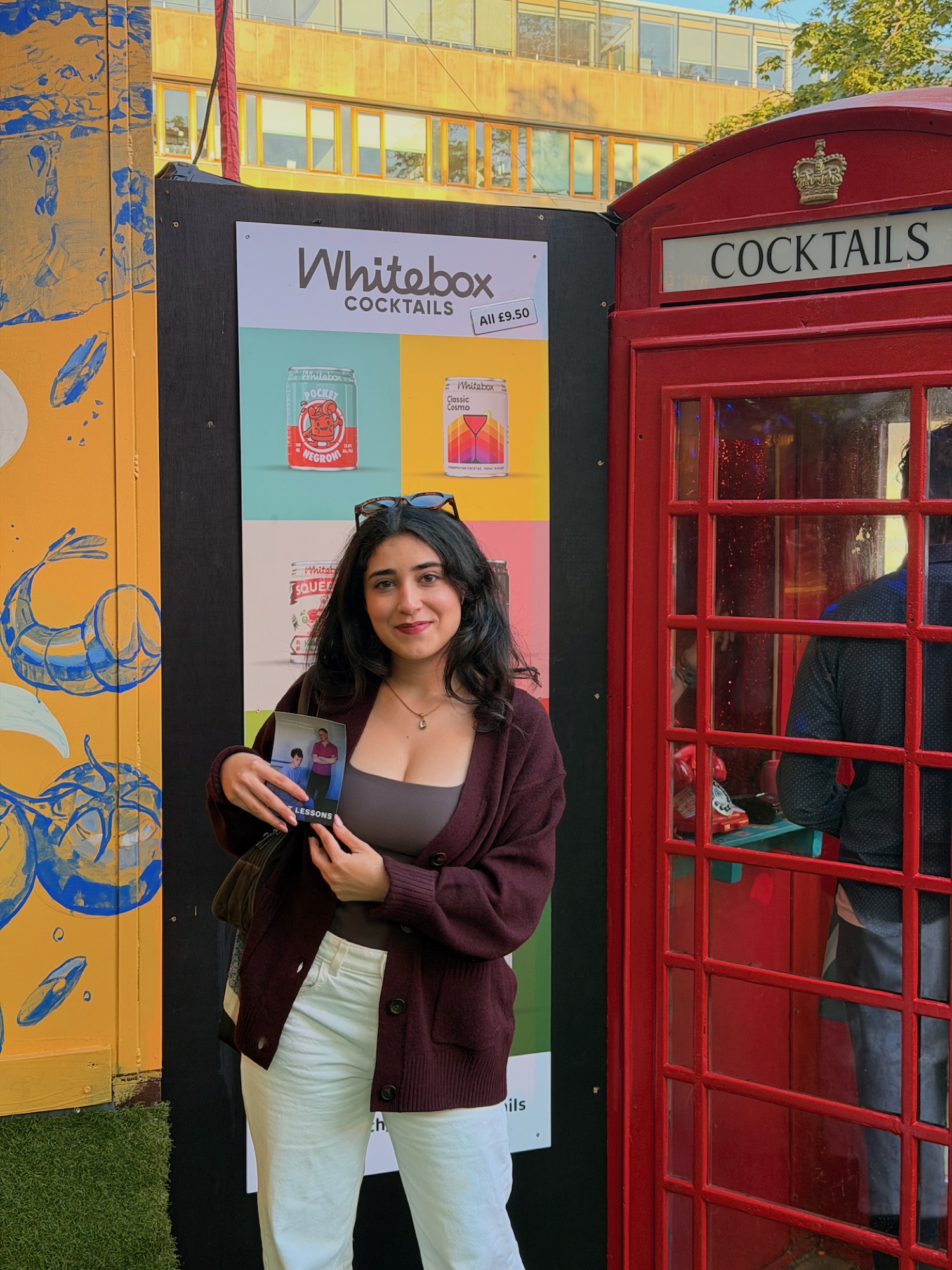
Well, besides enjoying the great atmosphere of the Fringe, I actually went as a performer! I was on stage for six nights as part of the show Adult Lessons, an improv comedy show inspired by the lessons - serious, bizarre, or funny - we’ve all learnt as part of becoming an adult. Adult Lessons was put together by my amazing friends, George and Charlie. We were also joined by the lovely Cal, Felix, and Dave.
What is improv?
Improvisation theatre is… well, all made up. It takes a different shape and a different trajectory every night. A performer walks on stage with a blank mind, and then, starting from a suggestion - often just a word from the audience - starts building brick by brick an entire universe around them.
One night started from an apple, which led to unraveling the strange corporate ladder of Microsoft, continued by bringing in Jesus as an Apple Store Genius, and finished with two chickens having marital troubles after being unable to lay an egg. The audience never knows where things might be heading, and most of the time, neither do we, the performers! Improv theatre can traverse a wide variety of emotions, whereas improv comedy is known for keeping things light, funny, and a bit silly.
What was the format of my show, Adult Lessons?
After the introduction, we would ask the audience to shout out an object. Apple, chalice, revolver were some of the words we received. Then, two people would walk on stage and start building a scene. This can be anything - the performers act upon the association they made with the given word. On the sides, the other performers watch. At any point, they are able to walk on stage and alter the universe that is being built. Whoever jumps in can either sweep both performers off and start fresh, or tag out one character and carry on with the other. They can also join in as a supportive character. This means that while you’re on the side, you have the important job of listening in closely to what is happening on stage, so you can come up with a clever addition, transition or callback later on. This is sometimes even harder than being on stage - but the satisfaction of finding a funny callback or alteration is priceless.
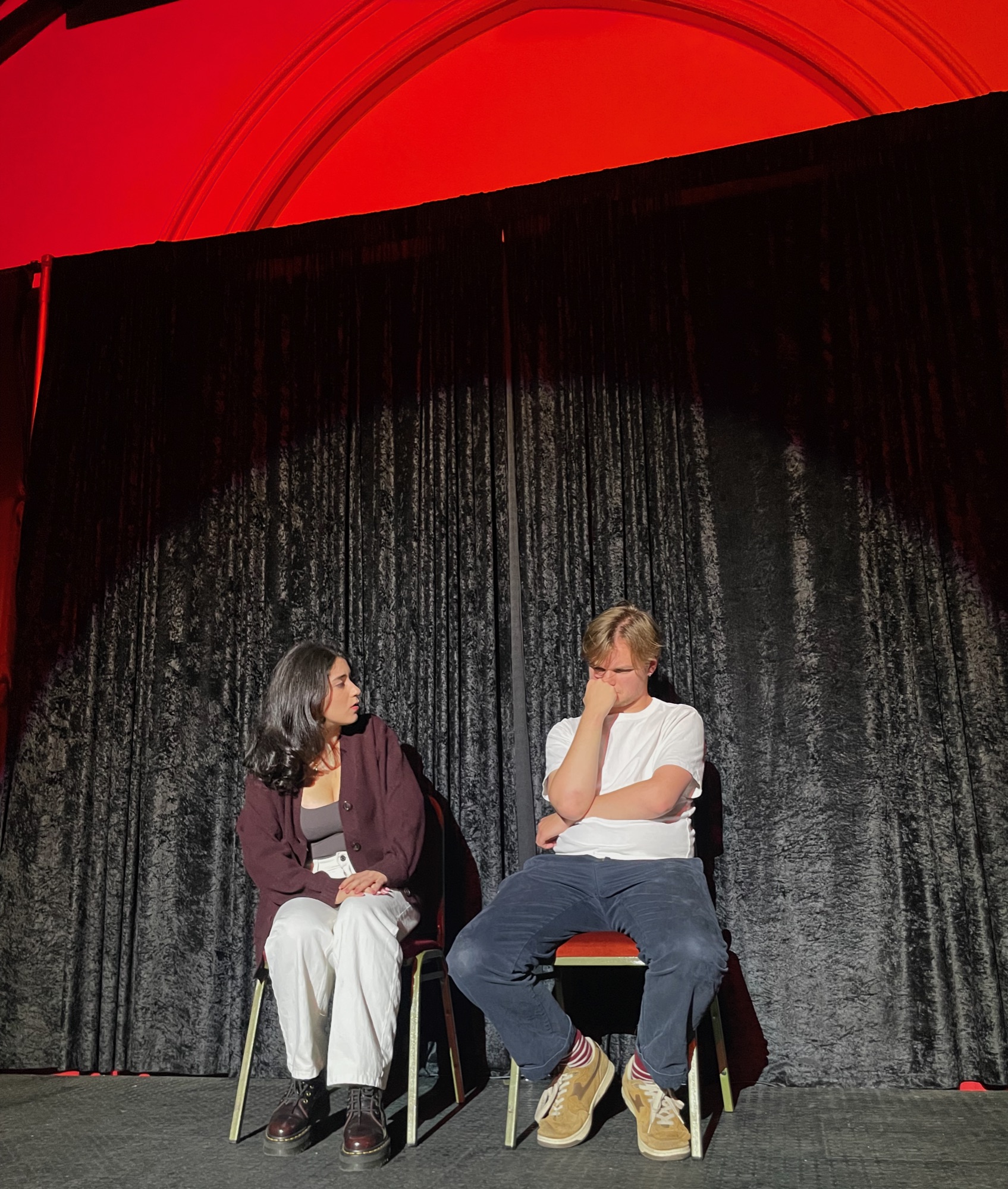
In the second part of the show, we would ask members of the audience for a lesson they’ve learned as part of becoming an adult. This can be something serious - such as always check whether the interest rate on your loan is fixed or variable - or something a little bit more goofy, such as never go to the loo with your phone in the back pocket. Then, taking inspiration from the wisdom shared by our public, we would start a new set of scenes.
OK, but is it really all made up?
Yes!
It’s like sitting down at the chess board without knowing about the Queen’s Gambit, the Sicilian or Ruy Lopez. Scary, right?! But just like in chess, there are some guidelines. The most famous “rule” (it’s improv, there are no rules, that’s actually the first rule) is yes, and. The yes, and paradigm basically encourages performers to run with what their partner has given them, instead of playing contrarian and therefore being stuck in “negotiating” the parameters of a scene. For example, if your scene partner tells you “You forgot your wallet at my house”, going with that will most likely move the story forwards better than “No, I didn’t, it’s in my pocket”.
Of course, there are many nuances to this, it’s never as simple as just agreeing with everything your partner says or does. Stories need conflict, tension. So a skilled improviser will know how to tread the line between yes, and and being an opposing force.
Another common guideline of improv is to not rely too heavily on asking questions. Since both scene partners are making stuff up on the spot, asking your partner too many questions places the responsibility of building the scene unevenly on them.
Another piece of advice is to avoid starting a scene with a very heavy offer too often - this is a bit like being cautious about committing your pawn structure too much too early in the game. You may think that since it’s all made up, it’s better to just start a scene by being very clear about what is happening. Something like “I’m going into labour! You have to take me to the hospital!”. This kind of entry removes a lot of the uncertainty of a scene - you don’t need to blindly act while also trying to discover where or who you are, and what your relationship is with your scene partner. This kind of intro establishes a big chunk already: you are about to give birth, and the next part of the scene will be about trying to get medical care. Your scene partner can decide to be helpful or completely useless, but they cannot easily change the terms of the scene - saying something like “Jack, you’re dreaming that you’re pregnant again” would probably make things very confusing, albeit funny.
This brings me to another tricky thing about improv, more specifically about improv comedy - finding balance between funny and developing a story. Sometimes when creating a funny moment, you back yourself into a corner from where it’s hard to continue. In the case of Jack dreaming of pregnancy, the ridiculousness of the situation can be very funny, but as a plot device, it might make it very hard for the scene partners to continue building from it. Therefore an improviser must learn to navigate these situations gracefully, by being quick on their feet and by knowing when to cut a scene and move on.
The unique way in which each player associates words and ideas makes improv interesting and surprising. Try building a chain of four words, starting from “potato”, where each word is the first thing the previous one makes you think of. Mine went potato → roots → worm → big bang → Sheldon Cooper. What was yours? Bet it wasn’t the same as mine, was it? 😝
You might have experienced during this mini exercise of free association the desire to “police” your connections. To be honest, the first time I started from “potato”, I went to “burger”, then “America”, and then “Donald Trump”, which is where I stopped myself, thinking, no, this is not the direction I want. And while I’m happy I don’t have to come up with more words after Donald Trump, sometimes this self-surveillance can inhibit creativity and make you anxious.
Like I said before, the uniqueness of each person’s chain of associations is what makes the magic of improv. You and another person start from a word, let’s say “space”, and from the same suggestion, one of you is mimicking the absence of gravity, while the other starts describing how they find their partner suffocating. And at the intersection of that you have… two astronauts with intimacy problems stuck on a ship together? To add even more to the magic, you and your scene partner might start a story from completely different creative places - only to manage to build towards the same joke, idea or reference. Oh, the joy!
Well, that was a very long way of confirming: yes, it’s all made up on the spot.
Am I good at improv comedy?
Honestly, no idea. It’s very hard to judge oneself, and I have definitely oscillated during my six nights in Edinburgh between thinking that I am hilarious and fearing that I am being awkward or uninteresting.
So how did I start doing improv comedy?
Well, the most straightforward answer is, thanks to a friend. Not long after I decided to start my own Twitch channel, my friend pitched improv classes to me. During my experience with QueenWatcher, the Twitch channel I first started streaming chess on, I found I was often experiencing a lot of anxiety after a stream. I’ve always been a bit of a sore loser when it comes to chess, but there was more to it. I wasn’t anxious just about my chess, I felt anxious more broadly about being perceived publicly.
I considered quitting. But I loved streaming as an avenue for me to connect with others and with my own chess journey. So when the idea of improv was introduced to me, I thought this would be a great way to explore this whole “performing in front of the world” from a different angle. Almost two years later, with the support of our lovely community, I am still streaming chess, and feeling great about it. If anything, I just wish I had time to do it more often! And improv became its own thing in my life, full of surprises and challenges.
Challenge one: putting yourself out there
Walking on stage with little more than what pops through your head requires courage; courage to be seen, to be vulnerable, to be judged. Any kind of performance art asks you to give part of yourself to the audience for them to decide what to do next: be sceptical, or invested, laugh at your joke, or let the room fill up with the stale panic of silence. And if you’re reading this and thinking: “it would be silly of people to judge something that they haven’t tried themselves, or to mock another person for trying to put themselves out there”, then, congratulations! You have successfully evaded the unsettling embrace of cringe culture.
Cringe culture, as described by Wikipedia, “is an Internet phenomenon and neologism characterized by the mockery and ridicule of content, behaviors, or expressions deemed embarrassing or awkward. The term cringe evolved semantically from describing personal secondhand embarrassment to becoming a dismissive label applied to various forms of online expression.” (Wikipedia) Cringe culture is, in my opinion, partly responsible for the self-consciousness I and many of my peers have experienced, both online and in the real world.
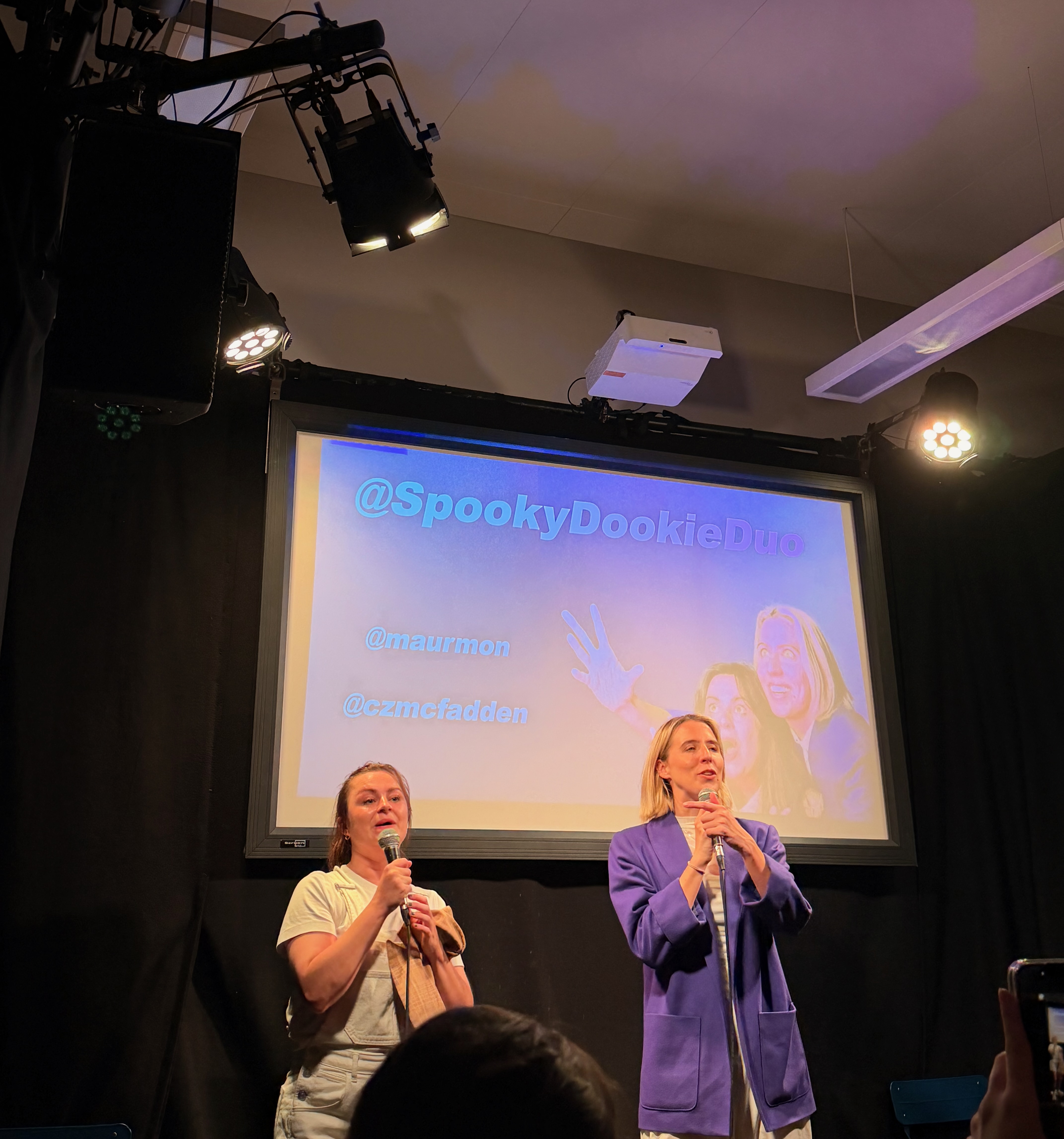 Spooky Dookie duo, one of my favourite shows of this year’s Fringe.
Improv can be many things: hilarious, chaotic, nonsensical, surprising, satisfying, and… yes, sometimes a little bit awkward. So the challenge? Getting out of your own head. The reward? There’s a whole list: discovering new facets of your personality, feeling empowered by not letting a hypothetical and inconsequential emotion make decisions for you, gaining confidence, and finding a community of people that are kind, graceful, and supportive.
Feeling embarrassed is part of the human experience. It’s unavoidable. Kind people know that. If you surround yourself with kind, genuine people, even if you embarrass yourself, that will not change the way they care about you. Feeling embarrassed is part of the human experience.
Challenge two: the language element
As you might already know, I was born and raised in Romania. I moved to the UK when I was 18 years old. Fun fact: I packed my suitcases and left my hometown to attend university in London without ever having been to England before. But that’s a story for another time.
I started studying English very early, probably at eight years old. In Romania, there is a lot of emphasis placed on being able to speak English, so I was always striving to get a perfect grade in English class. When I turned 13 and joined social media, I started consuming content in English every day. Nowadays, I live in London, I work for an American company, I have several foreign friends, and even my partner is non-Romanian. So existing in English is at this point second nature.
However - and this is not at all how my 17-year-old self envisioned things - I do not speak perfect English. And I do not have a British accent. Sometimes, if I try hard enough, I can fool fellow foreigners in the UK. I mishear things in loud environments or when facing unfamiliar accents, and I make mistakes when I’m in a hurry or tired. I had to talk myself out of cringing ;) many times after realising I’d made a mistake. I had to learn to step away from seeing the embarrassment of a grammar mistake and instead focus on my own courage and skill for living my life in a language that is, in many ways, not my own.
Yet not being a native English speaker adds an extra layer of complexity for me when improvising. I often fear I’m a second behind everyone else, and worry that a joke would have landed better if I had chosen one word over another. I can distinctly recall the sweat of panic that would come over me when I wouldn’t understand exactly what my scene partner had just told me. A few times this led to comical situations - even unbeknownst to me. One time my scene partner described themselves as the director of “United Inc.”, and it took everyone by surprise when I came on stage to pitch an idea for a new type of ink… But everyone went with it - talk about yes, and!
Reflecting on how speaking in English is affecting my improv journey, I made up my mind about a few things. Firstly, that at some point I have to try to join an improv group in my native language, Romanian. If nothing else, just to be able to make a better comparison.
Secondly, that the more general theme of how languages shape our experiences is a very interesting one, and I should keep reflecting on it throughout my life.
Thirdly, that sometimes feeling like I have an “English self” and a “Romanian self” can be a very interesting thing to explore in my art. When you’re in an improv scene, you are both acting as a character and building a character at the same time. I think hearing myself creating in Romanian a very different character than myself - a badass detective or an unhinged villain, for example - could feel stranger, and therefore inhibit me. Whereas improvising in English sometimes adds a layer of separation between the improv character and the self.
In a way, when I moved to England, I had to make a new self for myself. Not from scratch, of course. But the jokes I would have made, the stories I would have told until that point had to be translated, adapted. At first, my English self was trying to be a translated copy of my Romanian self. Now, it has a life of its own. But it’s more used to the need to build itself on the go.
Anyway - the complexity of the distinction I am trying to make currently transcends language itself. That’s a convoluted way of saying I haven’t yet fully understood the many facets of living life as an immigrant. I couldn’t explain it in Romanian either. I’ll make sure to write an update post once I do ;)
Challenge three: the lack of a progress chart
When I was playing chess competitively growing up, my FIDE rating was always a very clear indicator of improvement. Increasing my rating has always been a source of motivation for me. But in improv there is no rating, no chart, no clear leaderboard. For one, because arts are subjective, whereas chess is not. “Beauty is in the eye of the beholder”, right? Not even the amount of laughter in the audience can serve as a good measure for progress. Therefore, it was sometimes challenging for me to go to improv practices without a clear, measurable objective. “Have fun” or “feel good about myself” are not the kind of things you can run a quantitative analysis on. But there’s a point to be made here. In the era of productivity-maxing, step trackers, sleep scores, calorie counters, and Instagram followers, maybe not having something that can be reduced to a number is a good thing. Maybe my own desire to keep doing something is all the validation I should need.
Some final thoughts & random things
Doing improv comedy has been a fun way to discover more about myself, acquire a new way of artistic expression, and become part of a wonderful community! The Fringe festival in Edinburgh is incredibly welcoming, diverse, and well organised. If you were thinking of visiting Edinburgh next year, I really recommend going in August. It’s more crowded, but for once the crowds are a good thing: they make the city feel more lively and fun. Oh, but make sure you pack a sweater, as Edinburgh in August is still quite chilly!
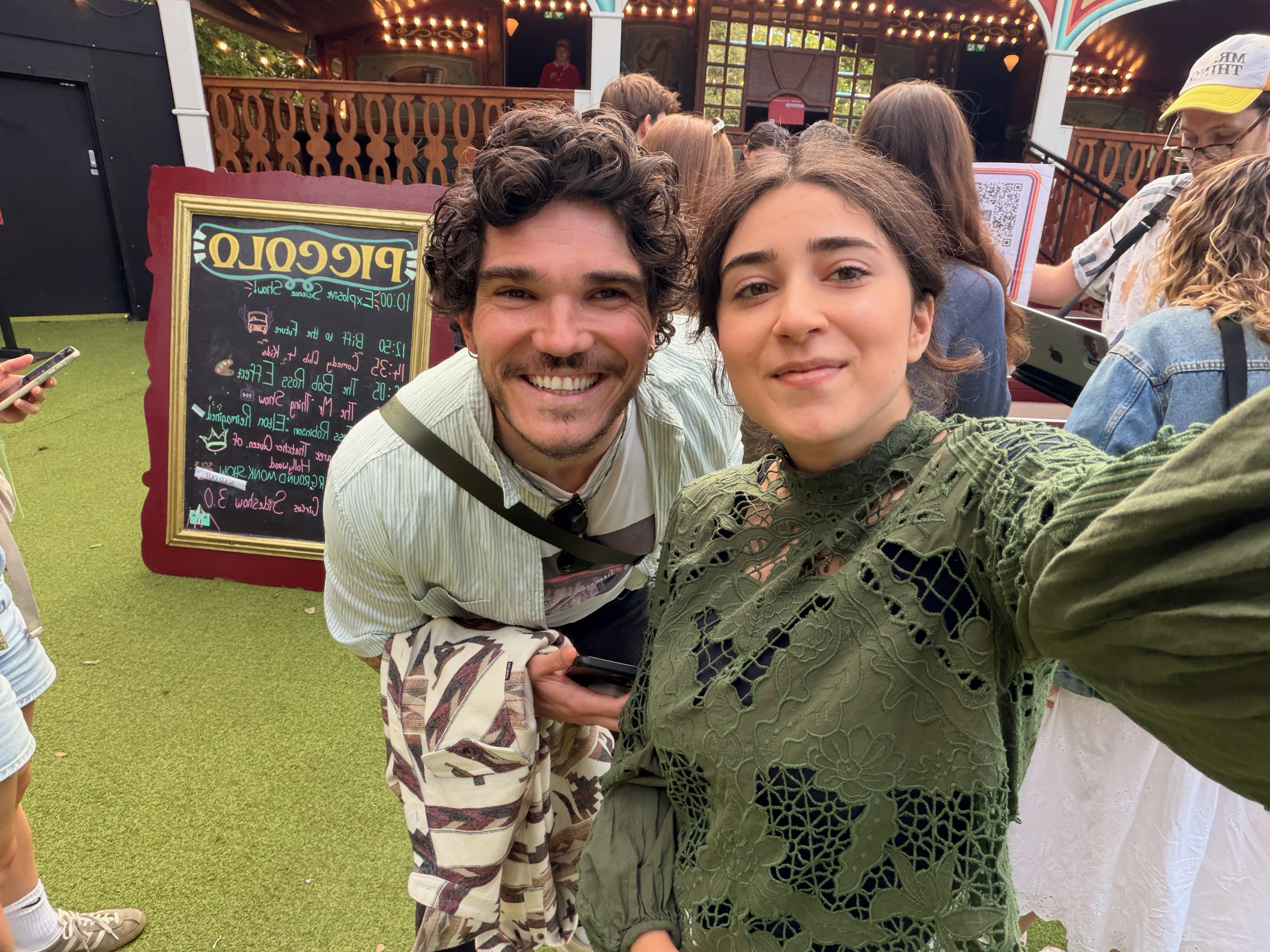
I met Fra Fee, one of the main characters in Netflix’s short show, The Unchosen. When my sister visited me in London a couple of months ago, we were both hooked by the show and ended up staying up until 3 in the morning to finish it. Fra was very kind when I approached him, unlike his character in the show, who… well, I won’t spoil it for you.
I would also like to take the opportunity in this random section to give a shoutout to the organisers of the Fringe for always having tampons and pads in the public bathrooms! This small gesture shows consideration towards women.
I also saw Samantha Spiro at the Pleasance, the main venue of the festival. I recognised her from her character, Maureen, in the Netflix show Sex Education.
That’s it! Thank you so much for making it to the end of this article. Let me know if I inspired you to try out a hobby you’ve been meaning to take up for a while, but didn’t have the courage to!
Come hang out! I stream chess on Twitch and post videos & reels on YouTube & Instagram.